
DIY Roof Inspection: A Step-by-Step Guide for Houston Homeowners


Understanding the Importance of Roof Inspections
Your roof is one of the most critical components of your home, especially in a city like Houston where weather conditions can be unpredictable. Regular inspections can help you identify potential issues before they become costly problems. By conducting a DIY roof inspection, you can ensure your home stays safe and sound.
Performing a roof inspection yourself might seem daunting, but with the right guidance, it can be a straightforward process. This guide will walk you through each step, so you can confidently assess your roof’s condition.
Gathering the Right Tools
Before you begin, make sure you have the necessary tools. Here's what you'll need:
- Sturdy ladder
- Binoculars
- Notebook and pen
- Camera or smartphone
- Safety harness (if needed)
Having these tools on hand will make the inspection process smoother and more efficient.
Inspecting from the Ground
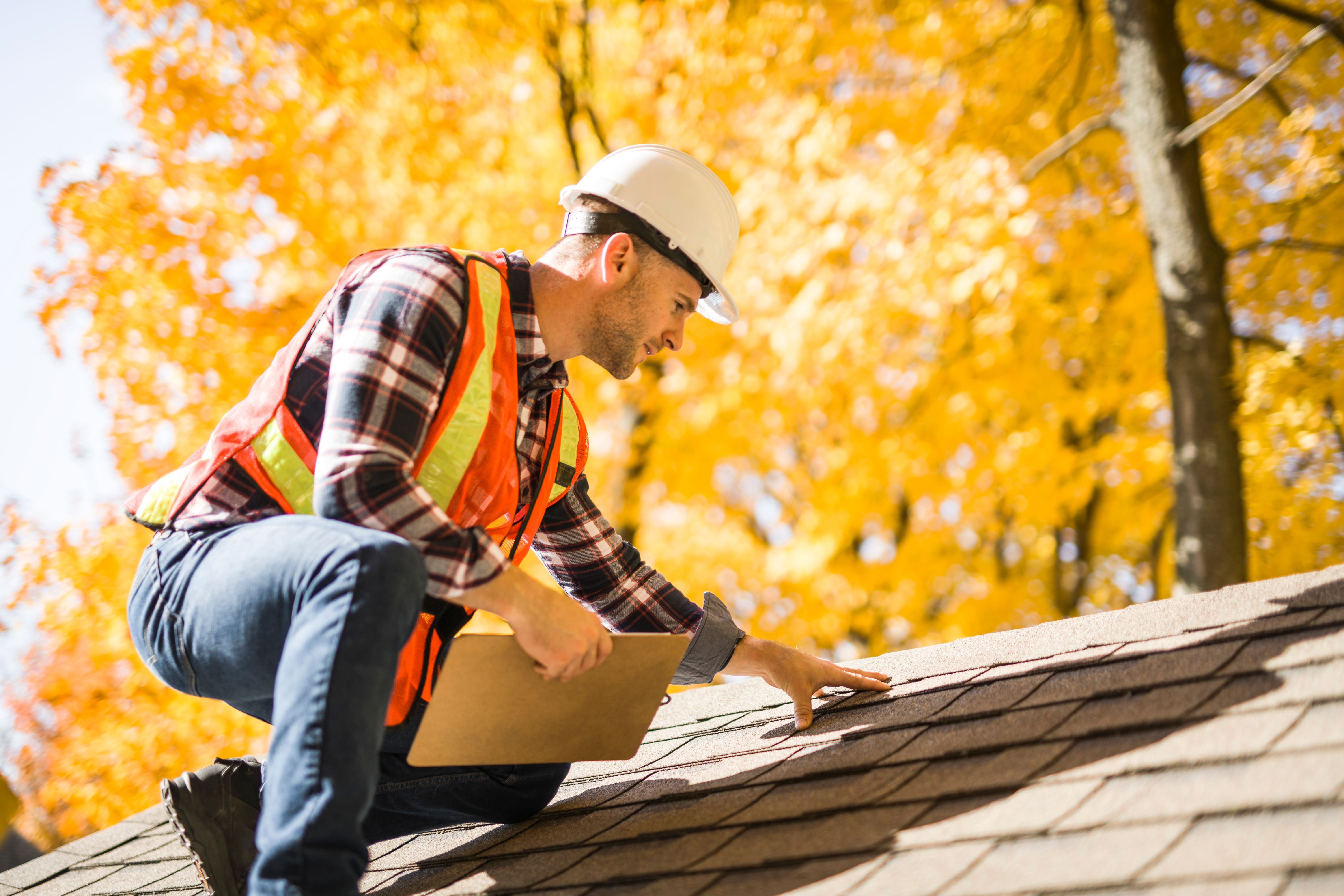
Start your inspection from the ground using binoculars. Look for visible signs of damage such as missing shingles, sagging areas, or debris accumulation. Take notes and photos of anything that seems concerning.
Pay special attention to the edges of the roof and any areas where water might pool. These spots are prone to damage and can indicate potential leaks.

Getting a Closer Look
If you're comfortable and it's safe, use a ladder to get a closer look at your roof. Check for:
- Loose or damaged shingles
- Signs of wear around chimneys and vents
- Moss or algae growth
If you notice any of these issues, it might be time to call a professional for a more thorough inspection.
Checking the Gutters
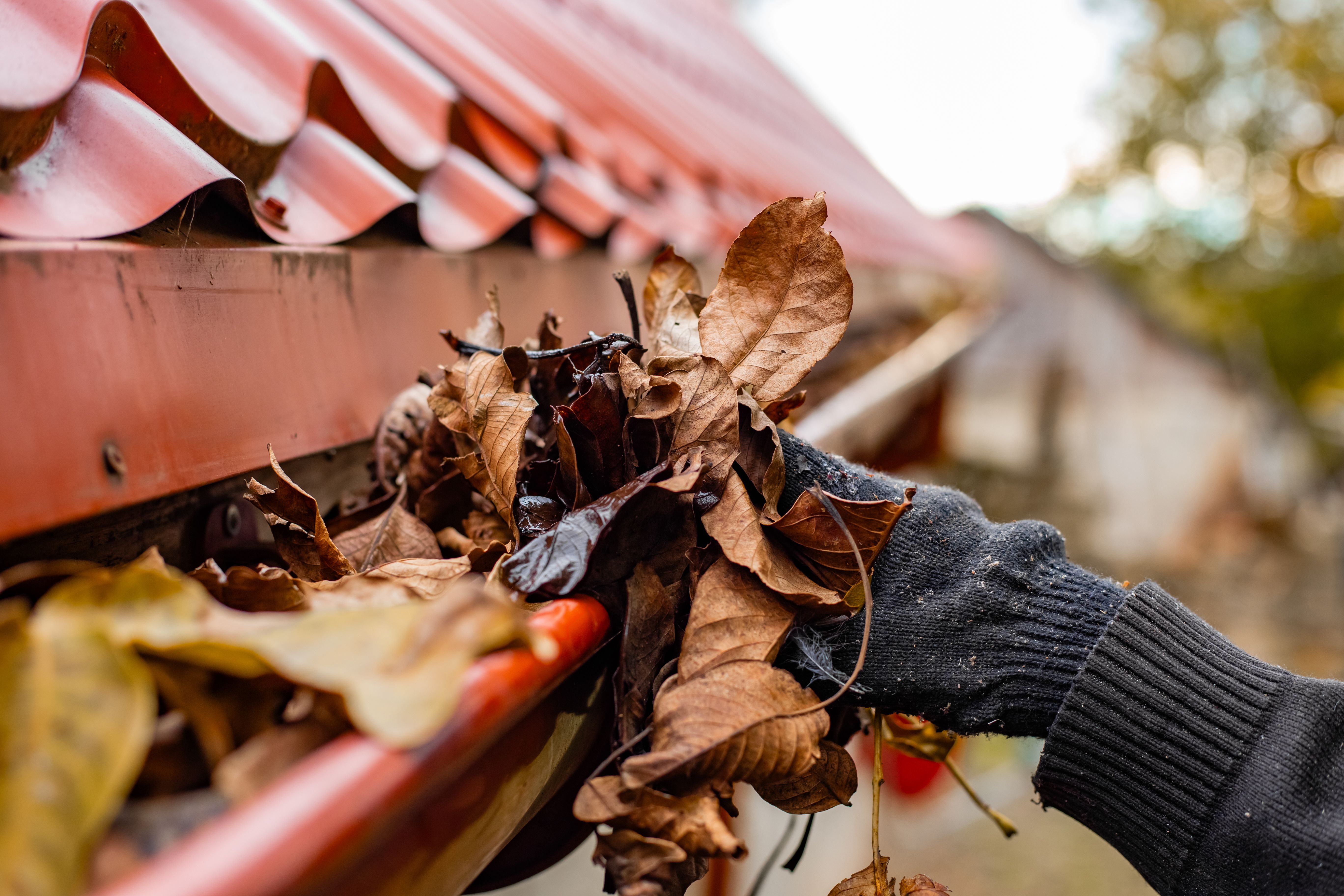
While you're up there, inspect your gutters. Look for granules from shingles, as excessive granule loss can indicate aging shingles. Ensure the gutters are free of debris and are securely attached to the house.
Documenting Your Findings
After your inspection, document everything you observed. Use your photos and notes to create a detailed record. This will help you track any changes over time and can be invaluable if you need to make an insurance claim.
Regular documentation will also help you decide when maintenance or repairs are necessary, potentially saving you money in the long run.
When to Call a Professional
While a DIY inspection is a great start, some issues require professional expertise. If you find significant damage or anything you're unsure about, it's best to contact a professional roofer. They can provide a comprehensive assessment and recommend necessary repairs.
Remember, safety is paramount. If at any point you feel uncomfortable or unsafe during your inspection, stop and seek professional help.
Maintaining Your Roof’s Health
Regular inspections are just one part of maintaining your roof. Consider seasonal checks and keep an eye on weather-related wear and tear. A well-maintained roof can enhance your home’s value and protect your investment for years to come.
By following this step-by-step guide, Houston homeowners can confidently perform a DIY roof inspection, ensuring their home remains a safe haven.